Leadership Insights

As one of New Zealand's leading professional bodies for managers and leaders, we are committed to keeping our members and the wider business community informed and connected. Whether you're a seasoned executive or just starting out on your leadership journey, we invite you to explore our news page and discover the latest developments in the world of management and leadership.
  1. Maybe It's Not the Kids. Maybe It's the Environment

    In the space of three weeks, I was asked 17 times whether I was "sick of the holidays" or "over the demands of the kids”.

    Seventeen times.

    And every single time, I had the same honest answer: no. Not even close.

    That response seemed to surprise people. There's an unspoken cultural script around working parents and school holidays, one that assumes children are a complication, an inconvenience, a thing to be managed. I want to challenge that script, because I think we've been pointing at the wrong problem for a long time.
    Read More
  2. Mind the Goal

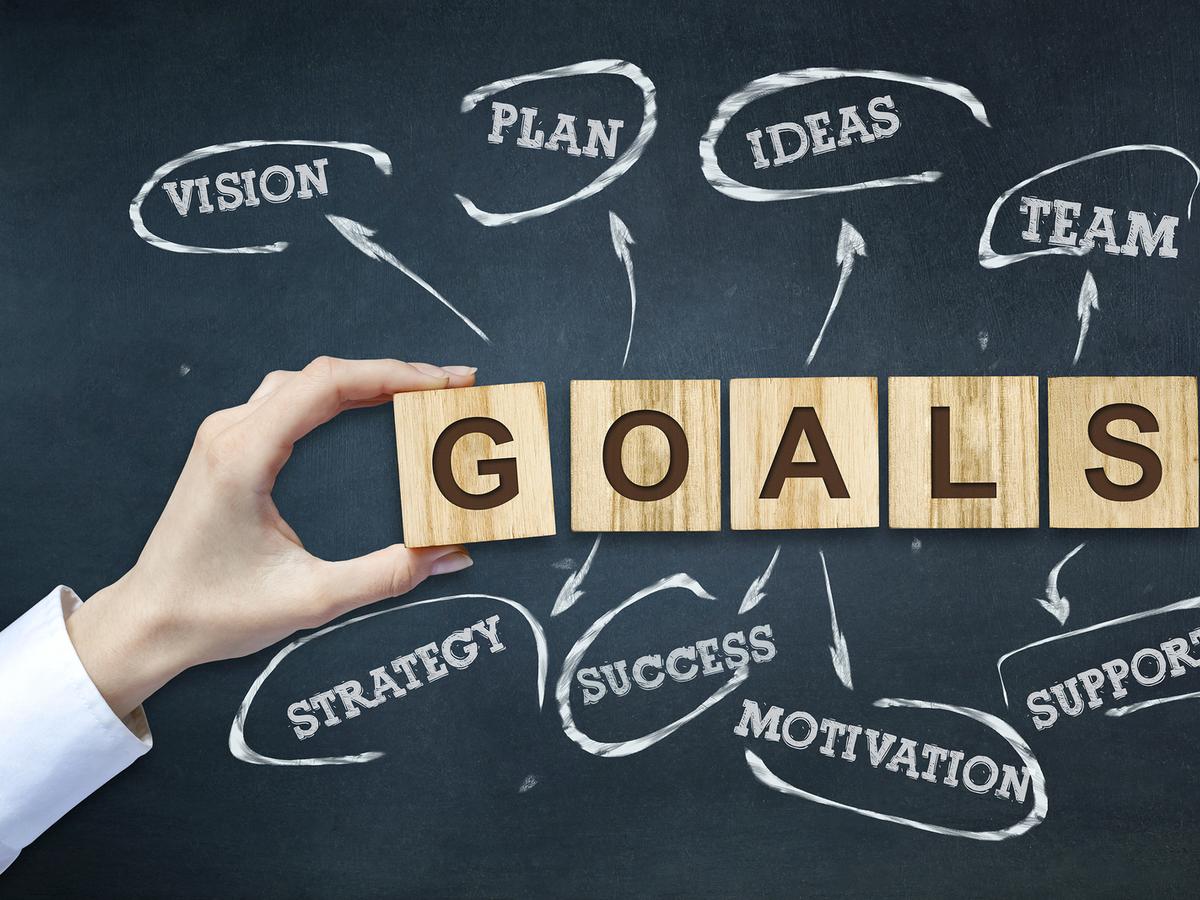
    Every finance cycle, the same conversation plays out in boardrooms and budget meetings across the country. Revenue softens, margins tighten, and someone opens a spreadsheet. Training is usually one of the first line items to shrink. It feels logical. It feels safe. And almost universally, it is the wrong move, not because training is sacred, but because the decision is made before the goal has been clearly defined.

    That is the real problem. Organisations cut the training budget as a reflexive response to financial pressure, then assume the action has achieved something meaningful. It rarely has. Until you define what you are actually trying to accomplish, you cannot know whether cutting training will help you accomplish it.

    Read More
  3. The Power of Backing Your Rival

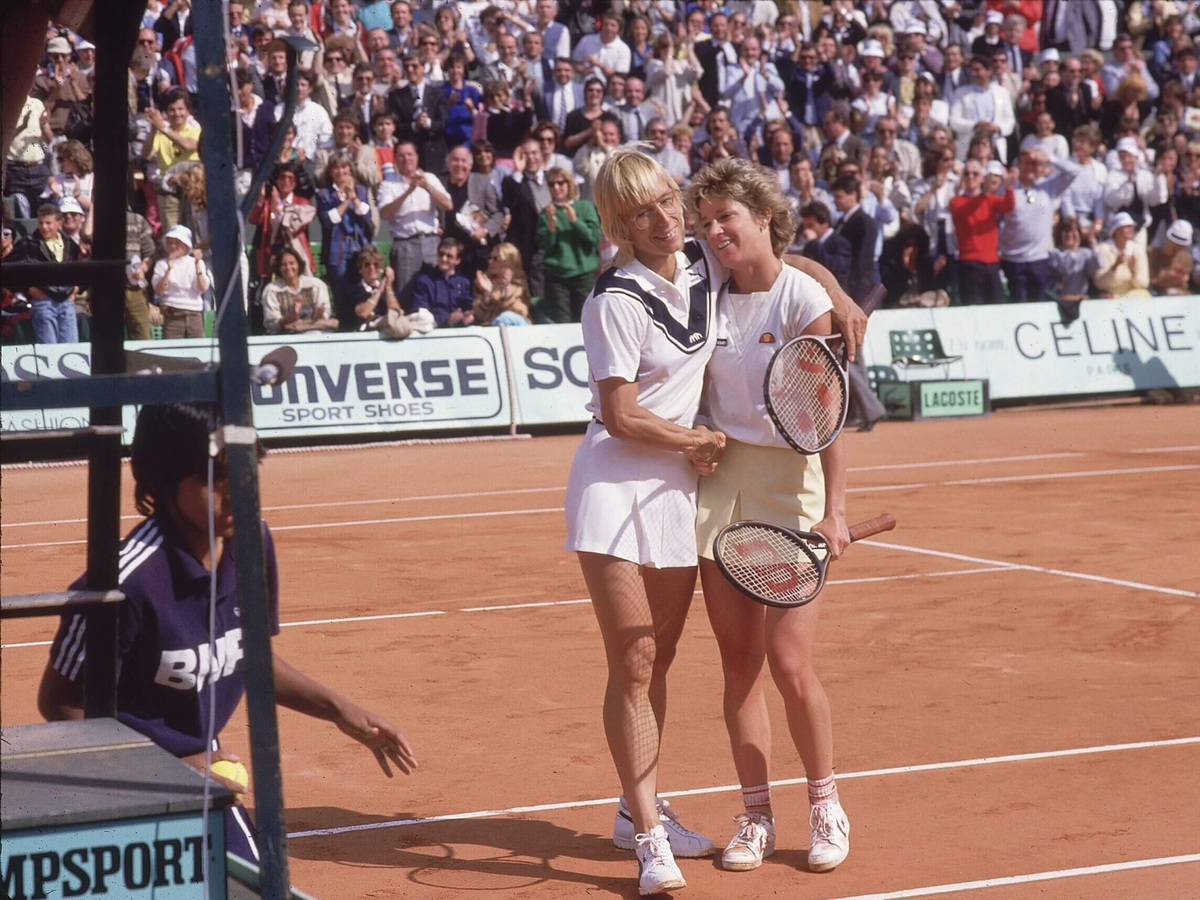
    I’m a tennis fan, not just a little interested, I have been invested for almost 50 years. The funny thing is, I would rather watch than play and recently watching a Netflix documentary I started to think about the way professional sport has a way of revealing character that few other arenas can match. Strip away the titles, the prize money, and the prestige, and what remains is a person under pressure and how they treat the person standing across the net.

    Two of the most celebrated rivalries in tennis history have given us something far more instructive than a highlight reel of winning shots. They have given us a masterclass in what it looks like when fierce competitors choose, deliberately and repeatedly, to elevate each other. The lessons are not confined to the court. They belong in our boardrooms, our Cabinet rooms, and anywhere that leaders are tempted to mistake opposition for strength.

    Read More
  4. The Thankless Work of Keeping Us Safe: A Salute to Compliance Leaders

    Compliance and regulation leaders enforce rules that protect lives, public health, and shared resources, often without recognition. Their work is grounded in science, shaped by hard lessons, and designed to provide a framework for safe, fair, and sustainable systems.

    We believe it is time to give those leaders a shout-out and no longer excuse the shout-out mentally.

    Read More
  5. The Science of Workplace Culture: How Brain Behaviour Drives Commercial Success

    Every organisation wants high productivity, low staff turnover, and strong commercial results. While many business leaders look to new software or restructuring to achieve these goals, the most powerful driver of success is already in your office. It comes down to human biology.

    Workplace culture is not just a vague concept measured by engagement surveys. Nor is it coffee pods and posters on the wall. It is a biological ecosystem. Neuroscience and behavioural science show a direct link between how our brains process our work environment and how we perform. When leaders understand the science of human behaviour, they can build a culture that drives genuine commercial success. While these concepts, research and connections have been made by academics, their work continues to be proven by commercial success.

    Read More
  6. Redefining Leadership in 2026: How to Drive Impact and Inspire Teams

    The business landscape of 2026 requires an evolving kind of leadership. We face continuous change, shifting economic realities, and the rapid integration of advanced technologies into our daily workflows. In this environment, the role of a leader has fundamentally shifted. Leadership is no longer just about overseeing tasks and driving metrics. It is about guiding human beings through complexity, making sound decisions in uncertain conditions, and fostering environments where people can thrive.

    For current and aspiring leaders aiming to make a genuine impact, success requires blending strategic agility with deep emotional intelligence. Leading with an intentional approach to being human-centric.

    Here is what defines effective leadership in 2026, along with practical steps you can take to elevate your impact as a people leader.

    Read More
  7. Mastering Networking for Career Growth in Aotearoa

    New Zealand is famous for its "two degrees of separation”. You often hear that everyone knows everyone, or at least of someone who knows someone. While this close-knit environment creates unique opportunities, it also means your professional reputation precedes you, a reputation that is built off an opinion.

    Read More
  8. Passion vs Purpose: Choosing Your Career Path

    For generations, career advice has often boiled down to a simple, catchy phrase: "Follow your passion, and you will never work a day in your life." While it sounds deeply inspiring, this well-meaning advice often leaves professionals feeling frustrated and burnt out. When our passions become our daily grind, the joy we once found in them can quickly fade and something that may had led to a life-long hobby has now become the road to a pay packet.

    Read More
  9. The Changing Face of Modern Leadership

    The definition of a successful leader has shifted dramatically. A decade ago, organisations often looked for a single charismatic figurehead to chart a steady course through predictable markets. I vividly recall the day I became CEO of NZIM and someone telling me, people follow a person not an organisation so be bold, loud and have opinions. Today, being loud and having an opinion sounds more like being outspoken and opinionated.

    Read More
  10. Leadership Longevity: Blue Zones and Four Quadrants

    What does a centenarian living in Okinawa have to teach a modern executive in Auckland? On the surface, very little. Yet, when we examine the environments that produce the world’s longest-living people, we uncover a blueprint for sustainable success.

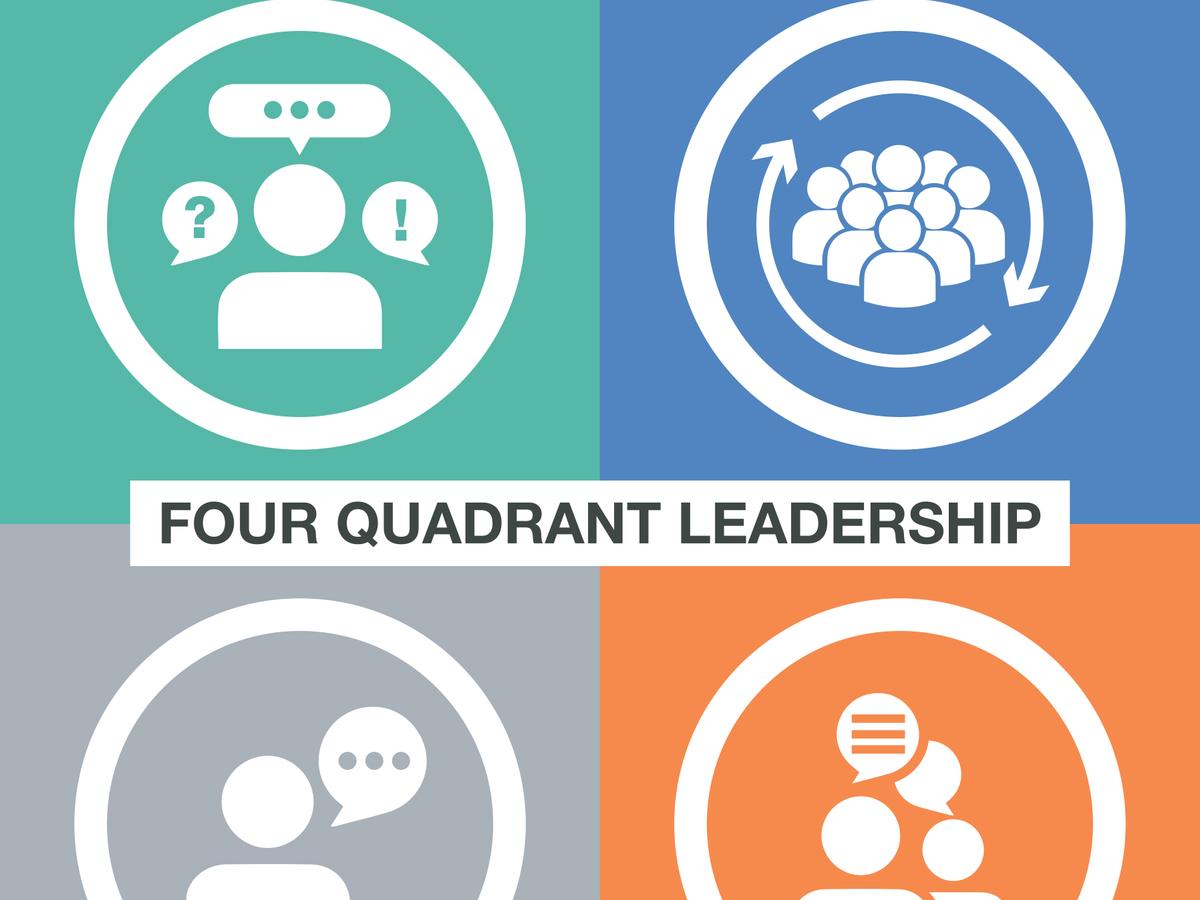
    These regions, known as Blue Zones, offer a wealth of insight into longevity and wellbeing. Dr. Kalina Mikolajczak-Degrauwe, a leading researcher, distilled the essence of these regions into nine distinct characteristics. When we map these nine traits against the principles of Four Quadrant Leadership, a model highly valued by NZIM, we find a powerful framework for leading resilient, high-performing organisations.

    When you explore how you can apply the nine Blue Zone characteristics to Four Quadrant Leadership, you will learn how to shift your focus from short-term outputs to long-term organisational health, fostering teams that thrive rather than simply survive.

    Read More